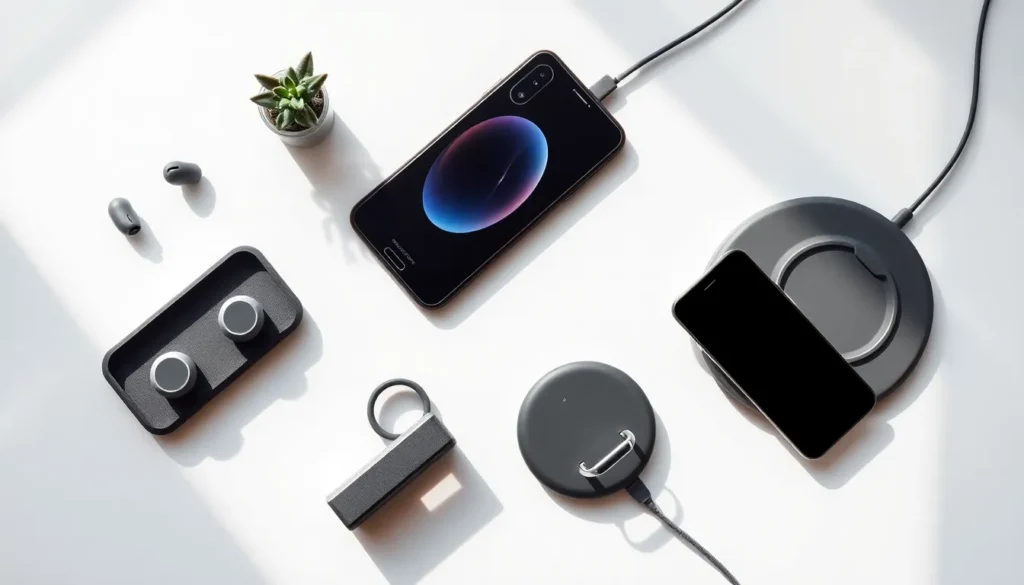

Tech accessories trends 2026 will reshape how people interact with their devices. The industry is moving fast, and the changes coming next year promise to be significant. From smarter wearables to greener materials, consumers can expect products that work harder while leaving a lighter footprint on the planet.
This isn’t just about incremental upgrades. The tech accessories trends 2026 will bring represent real shifts in design philosophy, functionality, and user experience. Manufacturers are responding to clear demands: people want accessories that are sustainable, intelligent, and truly useful in daily life. Here’s what’s on the horizon.
Table of Contents
ToggleKey Takeaways
- Tech accessories trends 2026 prioritize sustainability, with 73% of buyers under 35 now considering environmental impact before purchasing.
- AI-powered accessories like smart earbuds and phone cases will handle routine tasks automatically, from real-time translation to battery health monitoring.
- Wearable integration is expanding beyond smartwatches to include smart rings, sensor-embedded clothing, and seamless cross-device ecosystems.
- Modular designs let users swap components, reducing electronic waste while allowing personalized configurations for headphones, phone cases, and docking stations.
- Wireless charging in 2026 offers near-wired speeds, multi-device support, and integration into everyday furniture and vehicles.
Sustainable and Eco-Friendly Materials
Sustainability has moved from marketing buzzword to business priority. In 2026, tech accessories trends show a major push toward eco-friendly materials across product lines.
Recycled plastics are becoming standard in phone cases, laptop sleeves, and cable organizers. Ocean-bound plastics, waste collected before it reaches waterways, now appear in products from major brands. Some manufacturers have committed to using 100% recycled materials in their packaging by mid-2026.
Biodegradable options are gaining ground too. Plant-based polymers derived from corn starch, bamboo fiber, and even mushroom mycelium are entering mass production. These materials break down naturally without releasing microplastics into the environment.
Consumers are driving this shift. Surveys show 73% of buyers under 35 consider environmental impact when purchasing tech accessories. That number keeps climbing. Brands that ignore this trend risk losing market share to competitors who take sustainability seriously.
The tech accessories trends 2026 also include longer product lifecycles. Companies are designing accessories that last years, not months. Replaceable parts and repair-friendly designs reduce waste while building customer loyalty.
AI-Powered Smart Accessories
Artificial intelligence is transforming everyday tech accessories into genuinely smart products. The tech accessories trends 2026 reflect AI integration at nearly every level.
Earbuds now feature real-time language translation, noise adjustment based on environment detection, and personalized audio profiles that adapt to hearing patterns. These aren’t gimmicks, they solve real problems for users who travel, work in varied settings, or deal with hearing loss.
Smart cases for phones and tablets are getting smarter. Some models monitor battery health, adjust charging speeds to extend battery life, and alert users to potential device issues before they become serious. AI algorithms process this data locally, keeping personal information private.
Keyboards and mice with AI capabilities learn typing patterns and optimize responsiveness. They can predict fatigue and suggest break times. Some even adjust sensitivity settings automatically based on the task at hand, gaming versus spreadsheet work, for example.
The tech accessories trends 2026 in AI aren’t about replacing human judgment. They’re about removing friction and handling routine decisions so users can focus on what matters. Expect these features to become standard rather than premium by year’s end.
Seamless Wearable Integration
Wearables have outgrown their standalone phase. Tech accessories trends 2026 emphasize deep integration between devices, creating unified ecosystems that work together smoothly.
Smartwatches now communicate directly with fitness equipment, adjusting resistance and tracking metrics without manual input. Health data flows between devices, apps, and even healthcare providers (with user permission) to create comprehensive wellness profiles.
Smart rings are emerging as a serious category. These small devices track sleep, stress levels, and activity while remaining nearly invisible. They pair with phones, watches, and earbuds to provide data without requiring users to constantly check screens.
Clothing with embedded sensors represents another frontier. Shirts that monitor heart rate, socks that analyze running form, and jackets that regulate temperature based on activity level are moving from prototype to retail. The tech accessories trends 2026 show these products becoming affordable for average consumers.
Interoperability remains a challenge, but progress is real. Industry groups are establishing common standards that allow devices from different manufacturers to share data. This means fewer apps, less setup time, and better user experiences overall.
Modular and Customizable Designs
One-size-fits-all is giving way to mix-and-match flexibility. Tech accessories trends 2026 highlight modular designs that let users configure products to match their specific needs.
Modular headphones exemplify this shift. Users can swap ear cups for different sound profiles, replace cables with wireless adapters, or upgrade components without buying entirely new products. This approach saves money and reduces electronic waste.
Phone cases with modular attachments are expanding rapidly. Snap-on camera lenses, card holders, kickstands, and even battery packs give users control over functionality. The same base case serves multiple purposes depending on daily needs.
Laptop docking stations have embraced modularity as well. Ports, card readers, and display connections can be added or removed based on workspace requirements. Someone might need four USB ports at home but only two while traveling.
The tech accessories trends 2026 in customization extend to aesthetics. Interchangeable covers, straps, and trim pieces let users personalize appearance without sacrificing function. Limited-edition design elements create collector appeal while maintaining practical value.
This modular approach aligns with sustainability goals. When one component fails or becomes outdated, users replace that piece instead of discarding the whole product.
Enhanced Wireless Charging Solutions
Cables are disappearing from desks and nightstands. Tech accessories trends 2026 bring faster, more versatile wireless charging options that address previous limitations.
Charging speeds have improved dramatically. New standards deliver power comparable to wired fast charging, eliminating the speed penalty that made wireless charging inconvenient for many users. Some pads now charge phones from empty to 50% in under 20 minutes.
Multi-device charging stations have matured. A single pad can charge a phone, earbuds case, and smartwatch simultaneously without overheating or reduced speeds. Smart power distribution ensures each device receives optimal charging rates.
Long-range wireless charging is entering the market. Early products can charge devices from several feet away, though power delivery decreases with distance. This technology works well for maintaining charge on low-power devices like keyboards, mice, and remote controls.
The tech accessories trends 2026 also include wireless charging built into furniture and vehicles. Desks with integrated charging zones, nightstands that power devices automatically, and car consoles that charge phones while driving are becoming standard features rather than luxury add-ons.
Efficiency improvements matter here. Newer charging systems waste less energy as heat, addressing environmental concerns about power consumption. This progress makes wireless charging practical for users who care about both convenience and sustainability.